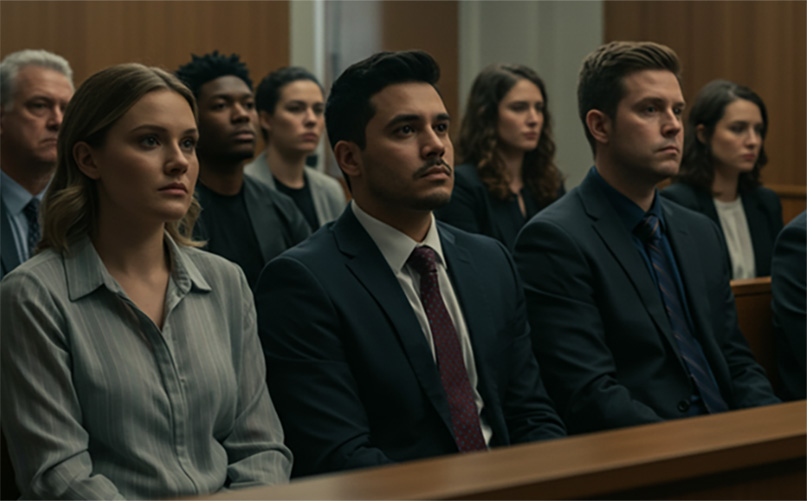
A good trial lawyer is in many ways, a teacher. It’s the trial lawyer’s job to educate the judge and jury about the facts of the case and the way the law applies to those facts. Part of doing so effectively is presenting your case as a story built on themes the jury can follow. Another critical element of effective trial presentation is delivering the information in a manner that keeps the jurors engaged. Even when all your evidence is perfectly lined up, a dull or disorienting presentation can severely undermine your case. Failing to hold the jury’s attention means your overwhelming and compelling evidence may not even be considered.
The Science of Juror Attention
The best trial presentations leverage visual, auditory, written, and even tactile information through a multi-media approach. Questions and answers between the examining lawyer and a witness rely primarily on auditory presentation, but the visual aspect—whether the questioning lawyer appears nervous or overbearing, whether the witness refuses to make eye contact or is very animated—can have an outsized impact on the juror’s impressions and the perceived credibility of the witness. Written evidence—whether in the form of emails, text messages, or contracts—often has a powerful impact because it resists the problems of poor memory or evasiveness.
But having different types of evidence alone is not enough to create an effective trial presentation. To maintain maximum juror engagement throughout a complex trial, multi-media elements must be layered strategically. For example, one common and effective technique involves projecting exhibits onto a large screen the jurors can see, with real-time enlargement and highlighting of key portions to both direct the jurors’ attention to the most important issues and keep their attention focused. Video footage of depositions used for impeachment similarly has a much higher impact on juror concentration than merely reading aloud from the witness’s past statements. Charts, graphs, and other graphics are not only effective ways to make data less dry and difficult to follow, they also help jurors remember the importance of the evidence being presented. When it is possible for jurors to handle physical evidence or inspect it, that also contributes to making the issues at stake in the case less abstract.
The Great Trial Lawyer’s Strategic Advantage
Experience is key in making sure your presentation to the jury is as effective as possible. Skilled trial attorneys know how to balance presentation in different formats for maximum effect. Great lawyers make strategic choices on when to pivot from a straight question and answer presentation to incorporating visual or tactile elements to foster greater engagement.
They know that a poorly thought-out multi-modal presentation is just as harmful to a client’s case as a dry and dull presentation. Instead of losing the jurors’ attention due to boredom, lawyers whose multi-modal presentation is unfocused risk distracting and confusing the jurors. Great lawyers, on the other hand, balance crisp, sharp questioning with deposition footage showing the witness being evasive. They leverage bold, clear visual aids like charts and tables to help guide an expert’s testimony about damages. They use presentation tools to make even the densest contract easy for the jury to follow. Taking complex evidence and weaving it into a coherent and compelling narrative is an art form, and so is presenting that narrative in a way that engages the jury’s focus and senses.
At Keller Anderle Scolnick, we’ve achieved outstanding results in the courtroom for our clients across a broad array of complex cases. We bring incisive legal acumen, a talent for storytelling, and command of the science of learning together to achieve victory.
Bring us your toughest case. We’ll get the job done.